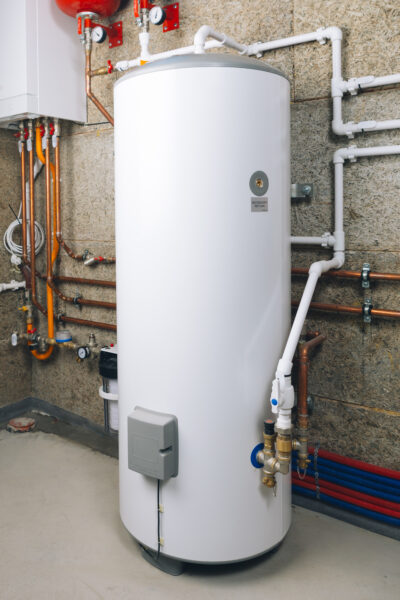
Nothing ruins a morning faster than an icy shower or discovering water pooling around your water heater. If you’re in Bellingham, Lynden, Marysville, or anywhere in Whatcom, Skagit, or Snohomish counties, this guide will help you figure out what’s going on, stop damage fast, and know when it’s time to call a pro at LSM Heating, Plumbing, Electric.
Quick note: If you smell gas, see smoke, or have water near electrical components, skip the troubleshooting and call for help right away.
Safety First: Do This Before Anything Else
If you notice any of the following, leave the home and call emergency services / your gas utility from a safe distance:
- Strong “rotten egg” gas smell (different from sulfur smell in hot water)
- Hissing near a gas line
- Carbon monoxide alarm sounding
- Smoke or burning smell
If the issue is water leaking, move fast to prevent damage:
- Turn off the cold-water supply valve above the unit (handle on the pipe going into the heater).
- If water is spreading, turn off your main water valve.
- Shut off power to the heater:
- Electric: switch the breaker OFF
- Gas: turn the gas control to OFF (or follow your unit’s shutoff instructions)
- If you can safely do so, place towels/bucket and keep the area clear.
Scalding and pressure risks are real; the CPSC recommends setting residential water heaters to 120°F to reduce scald injuries.
Step 1: Water Heater Shutoff Checklist
Use this quick checklist when the situation feels urgent:
If your water heater is leaking
- Turn OFF cold-water supply to the heater
- Turn OFF power (breaker or gas control)
- If leak is heavy: turn OFF main water
- Call LSM for same-day help if needed (especially if the tank is leaking)
If you smell gas near the unit
- Leave the home/building
- Call 911 and your gas utility from a safe location
Step 2: Identify Your Water Heater Type
Most homes have one of these:
- Tank (storage) water heater – a large cylinder tank (gas or electric)
- Tankless water heater – wall-mounted unit, heats on demand
- Heat pump water heater – looks like a tank but has a fan on top
Not sure? Take a quick photo of the rating plate and control panel. Your technician can often diagnose faster.
Troubleshooting by Symptom
1) No Hot Water
For electric tank water heaters
Try these safe checks:
- Check the breaker: If it tripped, reset it once. If it trips again, stop—call a pro (repeated trips can indicate electrical faults).
- Listen for normal operation: Some units hum lightly when heating; silence doesn’t always mean failure, but it’s a clue.
For gas tank water heaters
- Check the status light / display: Many gas controls flash error codes.
- Pilot light out? Follow the manufacturer instructions. If you’re not comfortable, don’t force it.
Call a pro immediately if:
- You smell gas or hear hissing
- You see soot around the burner area or signs of venting problems
For tankless water heaters
Common causes:
- Power interruption (tripped breaker/GFCI)
- Clogged inlet filter
- Scale buildup (hard water)
- Error codes that require service
Best next step: note the error code and call for service.
2) Not Enough Hot Water (or it runs out too fast)
This is usually one of these:
- Thermostat set too low (but avoid cranking it up—120°F is the safer target for most homes)
- Sediment buildup in the tank (reduces capacity and efficiency)
- Aging heating element (electric) or burner issues (gas)
- High household demand (guests, laundry, long showers)
Pro tip: If your tank is older and hasn’t been maintained, heavy flushing can sometimes reveal weak points. Get a technician to evaluate first.
3) Water Is Too Hot
Overheating can mean a thermostat/control problem. Because scalding risk is high, don’t ignore this.
What you can do:
- Lower the temperature setting carefully (or have a professional do it).
- Use a thermometer at a faucet to confirm actual temp.
The CPSC recommends 120°F to reduce scald risk, especially important if you have kids or older adults in the home.
4) Water Heater Leaking (Where is it leaking from?)
This is the big one. Some leaks are minor, others mean the tank is failing.
A) Leak from the top
Often caused by:
- Loose plumbing connections
- Failing shutoff valve
- Expansion tank issues
These are commonly repairable.
B) Leak from the temperature & pressure (T&P) relief valve
The T&P valve is a critical safety component. Dripping can happen due to:
- Excess pressure
- Thermal expansion
- A valve that’s failing to reseal
DOE recommends periodic checks of the T&P valve as part of routine maintenance.
If yours is actively discharging, don’t cap it. Call a pro.
C) Leak from the bottom of the tank
If water is coming from the tank body/bottom seam, it often indicates internal corrosion and replacement is likely.
5) Strange Noises: Popping, Rumbling, or Banging
In many tank heaters, these noises point to sediment/hard mineral buildup. Sediment can:
- Insulate water from the burner/element
- Reduce efficiency and hot water volume
- Accelerate tank wear
Routine water heater maintenance can include periodic flushing and inspections.
6) Rusty or Discolored Hot Water
Possible causes:
- Corroding anode rod
- Rust inside an older tank
- Plumbing pipe corrosion
If discoloration is only on hot water, the water heater is a likely source.
7) Rotten Egg Smell (Sulfur Smell) in Hot Water
This is usually a water chemistry/bacteria interaction and is different from a gas leak smell. It often requires:
- Flushing and disinfecting
- Anode rod evaluation/replacement
If the smell is strong and you’re unsure what you’re dealing with, play it safe and call a professional.
Repair vs. Replace: When a New Water Heater Makes More Sense
A helpful rule of thumb:
- Tank (storage) water heaters often last ~10–15 years
- Tankless water heaters often last 20+ years
Consider replacement when:
- The tank is leaking from the body/bottom seam
- Repairs are frequent and performance is declining
- You want more hot water + better efficiency (tankless or heat pump options)
Need hot water fast? LSM Heating, Plumbing, Electric provides water heater repair, replacement, and tankless upgrades for homes across the Bellingham & Whatcom County area. Explore our water heater services today.
How to Prevent Water Heater Problems (Simple Maintenance Plan)
Per DOE guidance, routine maintenance for storage water heaters may include:
- Flushing a small amount periodically (example: a quart every few months)
- Checking the T&P valve semiannually
- Inspecting the anode rod every few years
If you’d rather not DIY it, scheduling periodic professional maintenance helps reduce surprise failures.
FAQs
Do I need a permit to replace a water heater in Bellingham or Whatcom County?
Often, yes. The City of Bellingham lists Water Heater Replacement as a permit type applied for online, and Whatcom County provides plumbing permit application guidance.
What temperature should my water heater be set to?
The U.S. Consumer Product Safety Commission recommends 120°F to reduce scald risk.
How long does a water heater take to heat up again?
It varies by tank size, fuel type, and demand. If recovery time suddenly gets much worse, it’s a sign something is off (sediment, heating element, burner, etc.).
How long do water heaters last?
DOE notes tankless units typically last longer; many tankless heaters have a life expectancy of 20+ years, while storage water heaters are often 10–15 years.
Rely On the Pros at LSM
If you’re dealing with no hot water, a leaking tank, or a water heater that’s acting up, LSM Heating, Plumbing, Electric can help you get answers fast, and restore hot water without any guesswork.
Call or schedule service:
- Book service online
- View Plumbing Services or Water Heater Services
- Ask about current promotions (water heater install specials may be available)
- Financing options are available (subject to approved credit)
