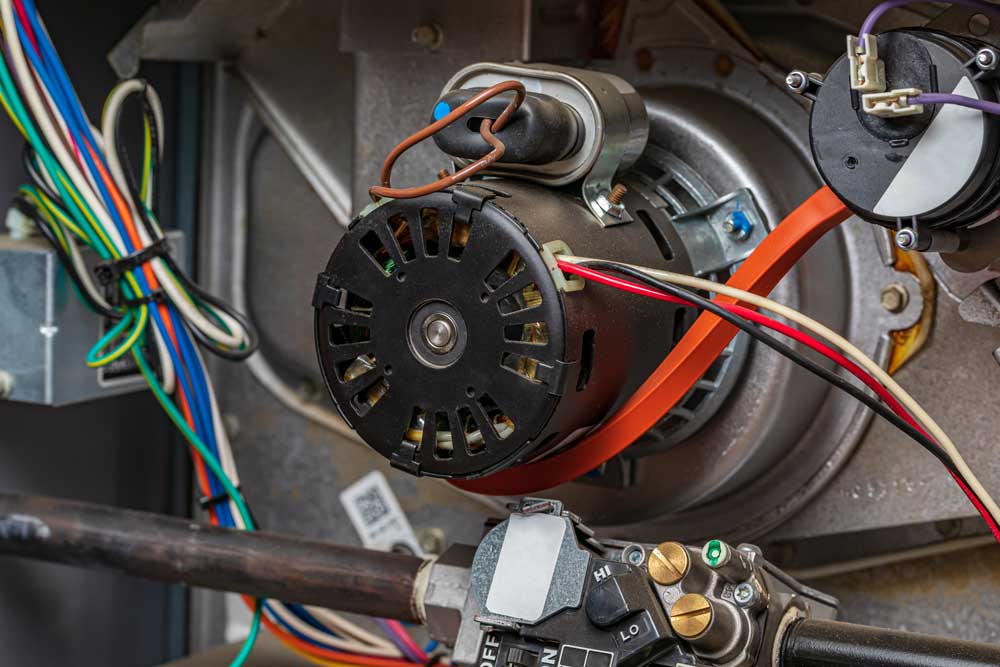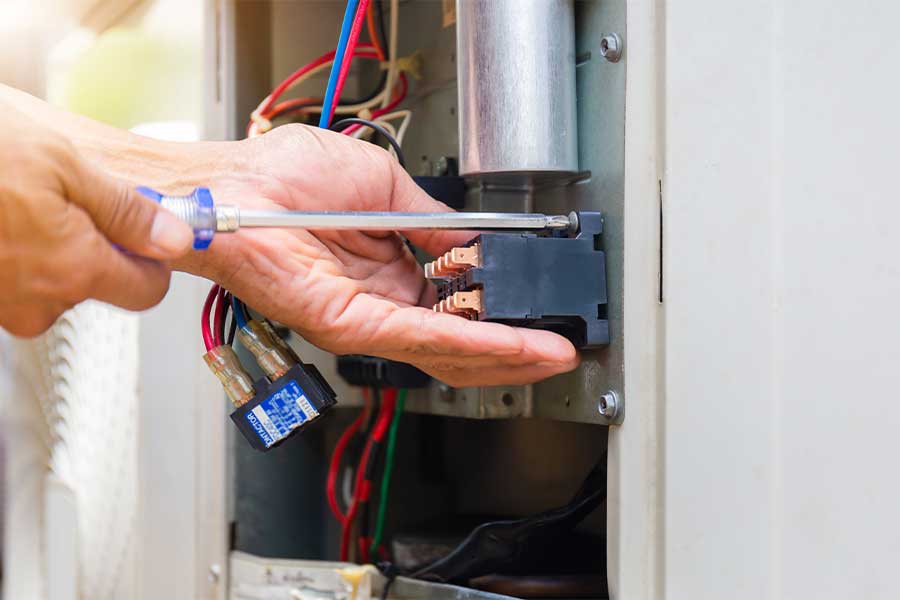
Unusual smells, like burning or gas, can be an early signal that a furnace in Bellingham, WA needs attention. Flickering pilot lights and visible rust often point toward deeper problems developing within the system. Strange noises frequently hint at costly repairs ahead, and spiking energy bills usually suggest the unit has become less efficient. Frequent cycling can waste energy, and a furnace older than 15 years is worth reassessing for its long-term reliability. In our service calls throughout Bellingham, from homes near Lake Padden to properties closer to the waterfront, we’ve seen how these warning signs tend to show up together as a furnace nears the end of its lifespan. Let’s explore these signs further, with guidance from LSM Heating, Plumbing, Electric, to help keep a heating system efficient and safe.
Furnace Safety Concerns to Watch For
Furnace safety starts with recognizing a few key warning signs that shouldn’t be overlooked. Signs of improper ventilation are worth watching for first, and unusual smells, like burning or gas odors, call for quick action rather than being dismissed.
The pilot light is worth monitoring as well. Flickering or a change in color can signal a developing problem within the system. Visible rust or corrosion on the furnace should never be ignored either, since these can indicate serious underlying issues.
Regular professional maintenance remains key to catching these concerns early. A furnace that hasn’t been checked in a while is a good candidate for a service visit sooner rather than later, ensuring the system continues operating safely and efficiently.
Recognizing Unusual Noises From Your Furnace
Unusual noises from a furnace can signal underlying problems that shouldn’t be ignored. Banging, clanking, or rattling sounds might indicate loose or damaged components within the unit.
A high-pitched squeal could mean a worn-out belt, while a hissing noise might suggest a gas leak or an airflow issue that needs prompt professional attention.
These sounds can disrupt comfort while hinting at bigger issues that require a closer look. Noticing any of these noises is a good reason to pay closer attention and schedule a professional evaluation, since ignoring them can lead to costly repairs or a full replacement down the line.
At LSM Heating, Plumbing, Electric, Inc., we recognize how important a reliable furnace is, especially during a chilly Bellingham winter, when temperatures dip and homes near Bellingham Bay feel the damp cold most. Our team is here to help diagnose the problem and guide homeowners through the best course of action.
What to Do If Your Heating Is Inconsistent
Inconsistent heating throughout a home often points back to a few key areas worth checking.
Thermostat Settings: Confirming the thermostat is set to the desired temperature is a reasonable first step, since settings can sometimes be adjusted accidentally. If a programmable thermostat is in use, checking that the schedule aligns with the household’s daily routine is worthwhile too. A thermostat that seems fine but still produces inconsistent heating may itself need professional recalibration or replacement.
Air Filters: Clogged or dirty filters restrict airflow, making a furnace work harder and less efficiently, which can lead to inconsistent heating throughout the home. Filters generally need attention every one to three months, especially during heavy-use seasons, and our technicians can build this into a regular indoor air quality plan for the home.
Ductwork Condition: Gaps or holes in the ducts can allow heated air to escape before it reaches its destination. Blocked vents can also lead to cold spots in certain rooms, and dust or debris accumulating within the ducts can reduce overall efficiency over time. A professional inspection can identify and resolve these issues correctly.
Noticed a Spike in Your Energy Bills?
A spike in energy bills as winter settles in can signal that something isn’t quite right with a furnace. Paying more for the same amount of heat is worth investigating rather than dismissing as a seasonal fluctuation.
Older furnaces in particular can struggle to maintain their original efficiency, leading to higher energy consumption and a bigger bill each month. Increased wear and tear on an aging system can also play a role, and a furnace working harder than it should is a good sign that it’s time to evaluate whether repair remains a viable option or replacement makes more sense. Considering complementary options, like a gas fireplace insert, can also enhance a home’s overall heating effectiveness during the transition.
Understanding Frequent Cycling of Your Furnace
Frequent cycling on and off can signal an underlying issue that shouldn’t be ignored.
Common Causes: Dirty air filters restrict airflow, causing a furnace to work harder and cycle more frequently than it should. A malfunctioning thermostat can misread temperatures, triggering unnecessary cycling. Leaks in the ductwork can lead to heat loss, causing a furnace to overcompensate by cycling more often than normal.
Efficiency Concerns: Frequent cycling often means a furnace is struggling to maintain the desired temperature, wasting energy in the process. Fluctuating temperatures between rooms, unusual noises, or a musty smell are all worth investigating alongside this pattern.
When to Consider Replacement: Inconsistent temperatures, increased energy bills, and a unit older than 15 years are all signs worth evaluating together when deciding whether replacement makes more sense than continued repair.
How to Identify Age and Wear on Your Furnace
Most furnaces last around 15 to 20 years, making age one of the first things worth checking when evaluating a system’s long-term reliability. A unit approaching that range deserves closer attention.
Unusual noises, like banging or rattling, can signal internal issues developing within an aging system. Increased energy bills often suggest a furnace is working harder than it should to maintain the same level of comfort.
Uneven heating throughout the home or constant cycling on and off are both signs of wear worth noting as well. Frequent repairs can add up over time, often making replacement the more cost-effective choice in the long run. Keeping an eye on these indicators helps homeowners make informed decisions about their furnace’s future.
Keeping Your Home Warm All Winter Long
Recognizing the signs that a furnace needs replacing helps avoid the kind of extensive, costly problems that come with waiting too long to act. Our team brings decades of hands-on HVAC experience to every furnace evaluation and replacement we complete throughout the Bellingham area. When you’re ready for a professional assessment, contact our team today and let us help keep your family comfortable all winter long.