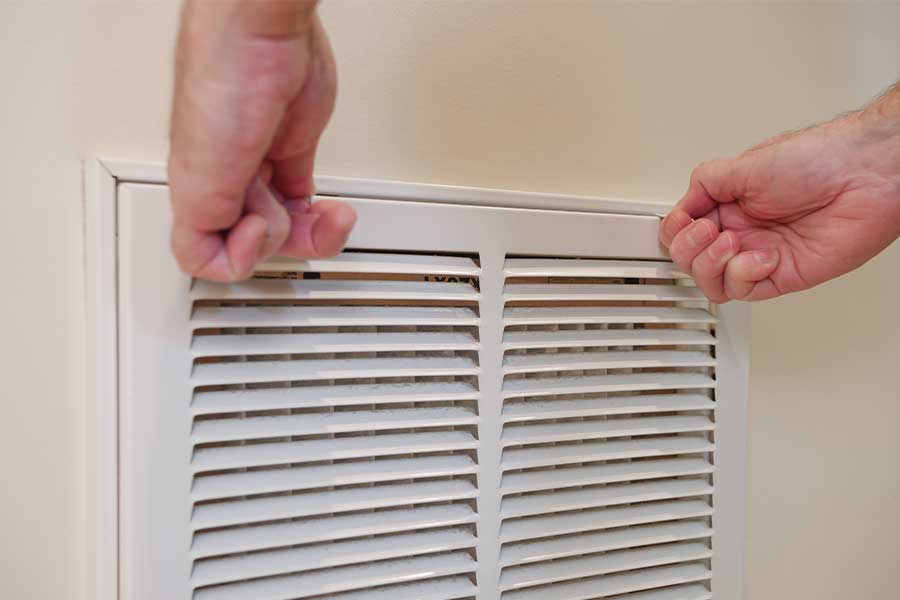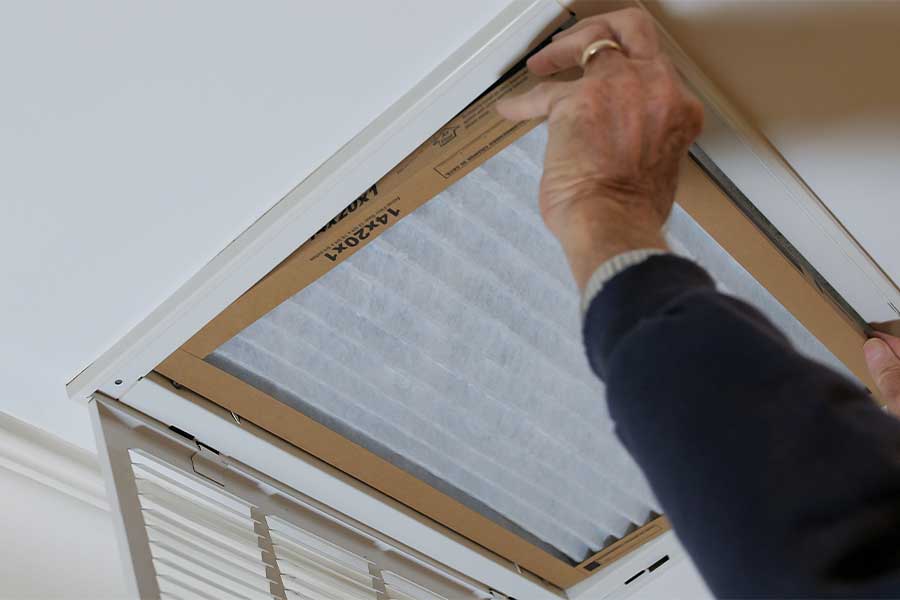
For homeowners in Everson, WA, regularly replacing an AC filter is essential for maintaining system efficiency and healthy indoor air quality. Filters generally need attention every one to three months, especially during peak seasons when a system runs harder than usual. Reduced airflow or higher energy bills are common signs it’s time for a change, and selecting the right filter type, like pleated or HEPA, can make a real difference in overall performance. In our service calls throughout Everson and the surrounding Whatcom County area, from homes along the Nooksack River to properties near Kale Street, we’ve seen how a consistent filter replacement schedule keeps AC systems running smoothly through every season. Let’s explore what homeowners should know to maximize their system’s performance, with guidance from LSM Heating, Plumbing, and Electric.
Why Regularly Replacing Your AC Filter Matters
Regularly replacing an AC filter is essential for maintaining efficient airflow and healthy indoor air quality. Keeping filters clean helps an air conditioning system run smoothly, reducing strain on the unit and potentially extending its overall lifespan.
A clogged filter can lead to poor performance, increased energy bills, and even costly repairs down the line if left unaddressed for too long.
Changing the filter on a regular schedule keeps the air inside a home cleaner while also helping maintain a comfortable environment throughout the year. Dust, allergens, and other particles can accumulate over time, affecting both health and comfort for everyone in the household.
Committing to this simple task pays off significantly over time. Regular maintenance plays a crucial role in preventing unplanned downtime and ensuring optimal system performance throughout an Everson home.
Prioritizing filter replacement is a proactive step toward a healthier, more welcoming living space for the whole family.
Signs That Indicate It’s Time for a Filter Change
Keeping an eye on an AC filter helps homeowners identify when it’s time for a change. Reduced airflow is often one of the first signs to notice. If a system struggles to push air through the vents, it could mean the filter has become clogged.
Unusual sounds coming from the unit are also worth paying attention to, since they might indicate the system is working harder due to a dirty filter.
An increase in energy bills is another common indicator. A noticeable spike could mean the AC is working overtime to compensate for restricted airflow.
Dust accumulating around vents or throughout the home is a clear sign that a filter isn’t trapping particles effectively anymore. If family members experience more allergies or respiratory issues than usual, that can also point to a filter that needs replacing. Staying vigilant about these signs makes a real difference in comfort and air quality throughout the year, and a regular maintenance plan can help prevent these issues from developing in the first place.
How Often Should You Change Your AC Filter?
Generally, an AC filter should be replaced every one to three months to keep a system running smoothly. This timeline can vary based on several factors, including the type of filter used, a home’s dust levels, and whether pets are present in the household.
If a filter looks dirty or clogged upon inspection, changing it sooner rather than later is always the better choice.
During peak usage seasons, like summer, filters may need to be checked more frequently. This small task can significantly impact an AC system’s efficiency and indoor air quality. Staying on top of filter changes helps a system run efficiently, reduces energy costs, and extends its overall lifespan. Maintaining an HVAC system consistently can contribute meaningfully to long-term energy cost savings as well.
How to Select the Best AC Filter for Your Needs
Choosing the right AC filter can make a significant difference in a home’s air quality and overall system efficiency. The MERV rating is a good starting point, since it measures a filter’s ability to trap particles. For most homes, a MERV rating between 8 and 13 works well, balancing air quality with proper airflow.
Filter type matters too. Pleated filters tend to capture more dust and allergens compared to fiberglass filters, and households with allergy concerns may benefit from a HEPA filter specifically.
Filter size is another important factor, and checking a unit’s specifications ensures a proper fit every time.
Budget is worth keeping in mind as well. While the cheapest option can be tempting, investing in a quality filter with a higher MERV rating often pays off through improved system performance and better overall air quality throughout the home.
Leaving Filter Replacement to the Professionals
While filter replacement might seem like a simple task, working with a professional team ensures it’s done correctly and on a consistent schedule that matches a home’s specific needs. Our technicians can assess a system during regular maintenance visits, confirming the right filter type and replacement interval for each household’s unique situation, including pet ownership, allergy concerns, and seasonal demands.
A professional eye also catches early warning signs, like unusual sounds or reduced airflow, before they turn into larger, more costly issues. Pairing filter replacement with a broader HVAC maintenance plan helps Everson homeowners get the most out of their system year after year.
Keeping Your Home Comfortable All Season Long
A consistent AC filter replacement schedule is one of the simplest ways to protect a home’s comfort and air quality throughout the year. Staying on top of this routine helps extend a system’s lifespan and prevents costly repairs down the road. Our team brings decades of hands-on HVAC experience to every Everson home we serve, helping households breathe easier and stay comfortable no matter the season. When it’s time for a professional filter check or a full system tune-up, schedule your AC tune-up with our team today.