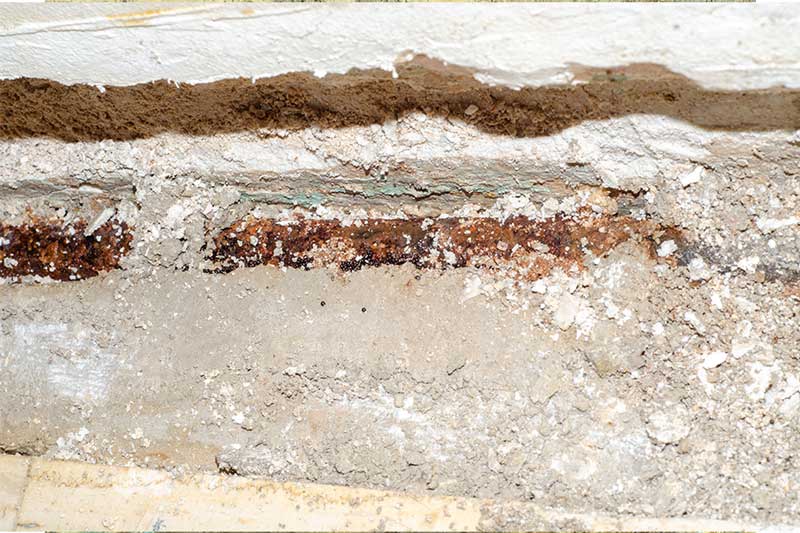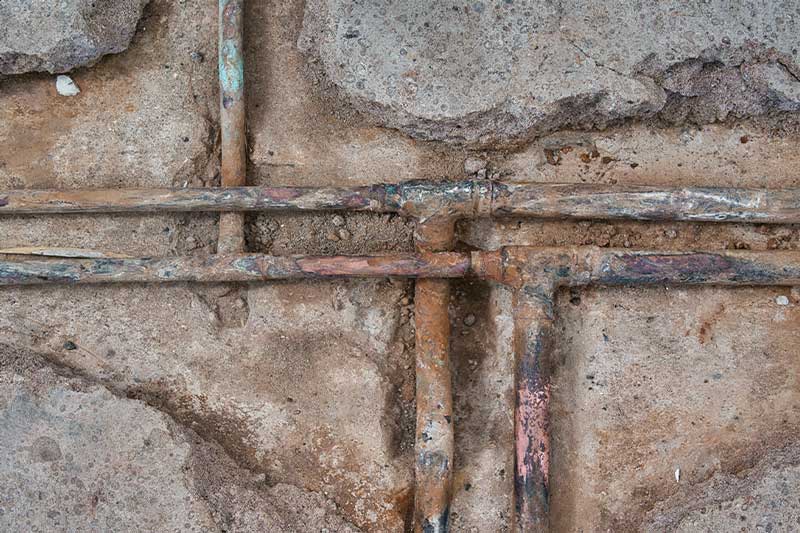
Preventing slab leaks in Bellingham, WA homes starts with proper drainage around the foundation and keeping invasive-root trees at a safe distance. Regularly inspecting plumbing can catch problems early, while maintaining consistent indoor temperatures helps avoid the pipe freezing that often leads to leaks. Gutters directing water away from the house and a moisture barrier installed beneath the slab both add further protection. In our service calls throughout Bellingham, from homes near Lake Whatcom to properties closer to the waterfront, we’ve seen how our region’s dampness and mature tree cover contribute to slab leak risk. Let’s explore these proactive steps in more detail, with guidance from LSM Heating, Plumbing, and Electric.
Recognizing Signs of a Slab Leak
Subtle signs of a slab leak are easy to overlook while walking through a home, but being aware of these clues can save considerable trouble down the line.
Unexplained damp spots on floors or walls are worth paying attention to, since they might signal a leak developing beneath the surface. A sudden increase in the water bill without any change in usage can also be a red flag worth investigating.
The sound of running water when everything is turned off can help identify a hidden leak as well. Warm or cold spots on the floor might indicate a hot or cold water line leaking somewhere beneath the slab. Regular professional maintenance is crucial for catching these issues before they lead to more costly repairs and helps ensure overall plumbing reliability.
Staying vigilant and recognizing these signs early allows a potential slab leak to be addressed swiftly, keeping a home safe and dry throughout the year.
Preventing Slab Leaks at Home
Proper drainage around the foundation minimizes water exposure, which can weaken a slab over time if left unaddressed. Avoiding trees or bushes with invasive roots near the home also helps, since these roots can damage plumbing lines running beneath the property, including any sewer line running under the yard.
Maintaining a consistent indoor temperature helps prevent pipes from freezing, a common cause of leaks throughout the colder months. Regular preventative maintenance helps identify potential issues before they become serious, costly problems.
Common Causes and Risks of Slab Leaks
Slab leaks can arise from a variety of sources, often leading to significant damage if not addressed promptly. Aging pipes are one common cause, since they can corrode over time, especially given our region’s damp climate.
Tree roots pose another risk, invading underground pipes and causing fractures that develop gradually over time. Poor installation practices or shifting soil can also contribute to leaks, putting added stress on a home’s plumbing system.
Temperature changes can lead to pipe expansion and contraction as well, increasing the likelihood of cracks forming over time. The risks associated with slab leaks include structural damage, mold growth, and costly repairs if left unaddressed. Damp spots on floors or a sudden increase in water bills are both worth acting on quickly. Installing radiant in-floor heating can help mitigate some of the temperature-related risks that contribute to slab leaks in the first place.
Benefits of Regular Maintenance
Regular maintenance of a home’s plumbing system considerably reduces the risk of slab leaks and other costly issues. Routine professional inspection of pipes and connections helps catch small problems before they escalate into significant repairs.
This proactive approach saves money while extending the overall lifespan of a home’s plumbing system. Keeping up with maintenance also enhances water efficiency, which can lead to lower utility bills over time.
A well-maintained plumbing system helps maintain a home’s overall value as well, since potential buyers appreciate a well-cared-for property. Regular check-ups offer peace of mind too, reducing the likelihood of facing an unexpected plumbing emergency. Working with professionals like LSM Heating, Plumbing, Electric, Inc. provides the expertise needed to keep a home’s plumbing system in top shape.
How Can You Prevent Slab Leaks?
Taking proactive steps can greatly reduce the risk of slab leaks throughout a home. Regularly inspecting plumbing systems for signs of wear and tear is a good starting point, and keeping an eye on water pressure helps too, since pressure that’s too high can strain pipes over time.
Proper drainage around the foundation matters significantly, and maintaining gutters and downspouts to direct water away from the house is an essential part of that effort. Insulating pipes in unconditioned spaces protects them from freezing and cracking during colder months.
Investing in a moisture barrier beneath the slab helps prevent water seepage from reaching vulnerable areas, and it’s also worth having a technician check the water heater connections while addressing broader plumbing concerns. Staying vigilant and taking these measures consistently helps safeguard a home against costly slab leaks over time.
Protecting Your Home for the Long Term
Staying vigilant and proactive about plumbing maintenance can greatly reduce the risk of a slab leak developing in a Bellingham home. Recognizing signs early, performing regular maintenance, and addressing potential causes all work together to protect a home from costly repairs down the road. Our team brings decades of hands-on plumbing experience to every slab leak prevention visit and repair throughout the area. When you’re ready for a professional plumbing inspection, contact our team today to help keep your home safe and dry.