
Plumbing Repair in Lynden, WA
Heating, plumbing, and electrical service from the local team Whatcom County has trusted since 1940.
Heating or Plumbing Emergency? We answer around the clock.
Emergency Heating & Plumbing Support
For Generations
& Insured
Available
Warranties
Emergency Heating & Plumbing Support
For Generations
& Insured
Available
Warranties
When something’s wrong with your plumbing, you need someone who will give you a straight answer and fix it right the first time. LSM Heating, Plumbing, Electric has repaired plumbing systems for Lynden homeowners for generations, and we treat every visit like it matters, because it does.
Request Service
* Required fields
What Your Neighbors Are Saying About Us
Signs You Need a Plumbing Repair
Most plumbing problems give some warning before they turn into a bigger issue. Here’s what to watch for.
- Slow or clogged drains
- Low water pressure
- Dripping or leaking fixtures
- Running or overflowing toilets
- Unusual noises in pipes
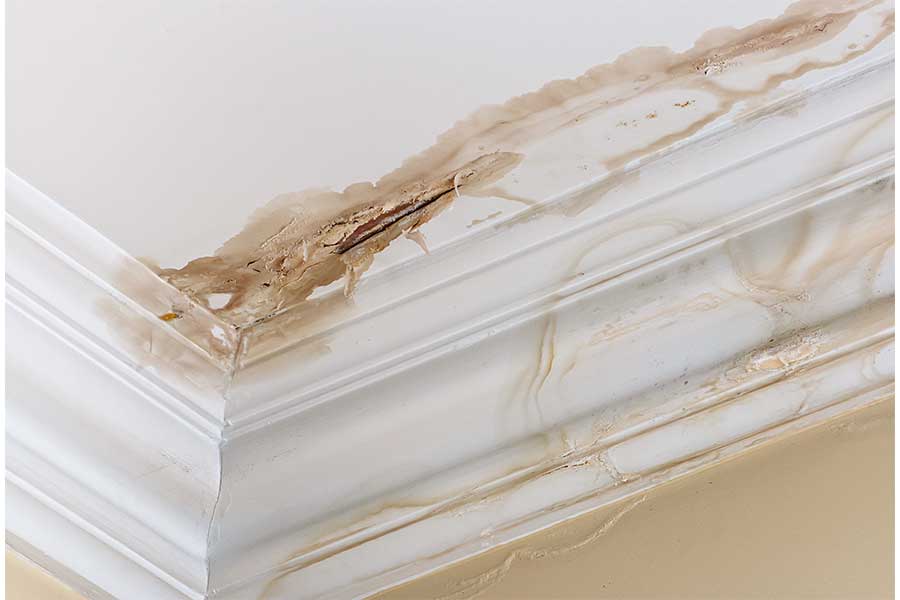
- Water stains or discoloration
If any of these sound familiar, it’s worth having a technician take a look before the problem grows.
Common Plumbing Problems We Encounter
Plumbing issues tend to come down to a handful of common causes. Worn-out seals, corroded pipes, and mineral buildup are among the most frequent reasons a system starts acting up. Tree root intrusion and shifting soil can also affect underground lines over time.
Local conditions play a role too. Lynden’s damp climate means pipes and fixtures deal with consistent moisture throughout the year, which can contribute to corrosion in older plumbing that hasn’t been inspected regularly. Homes with aging pipes in our area sometimes develop leaks or reduced water pressure gradually, without an obvious cause until a technician takes a closer look.
How We Handle Your Plumbing Repair
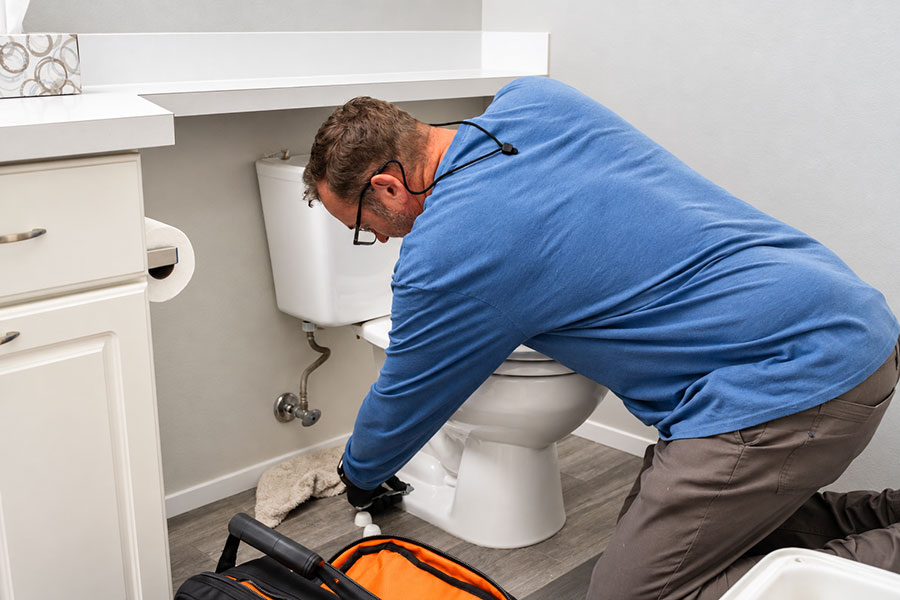
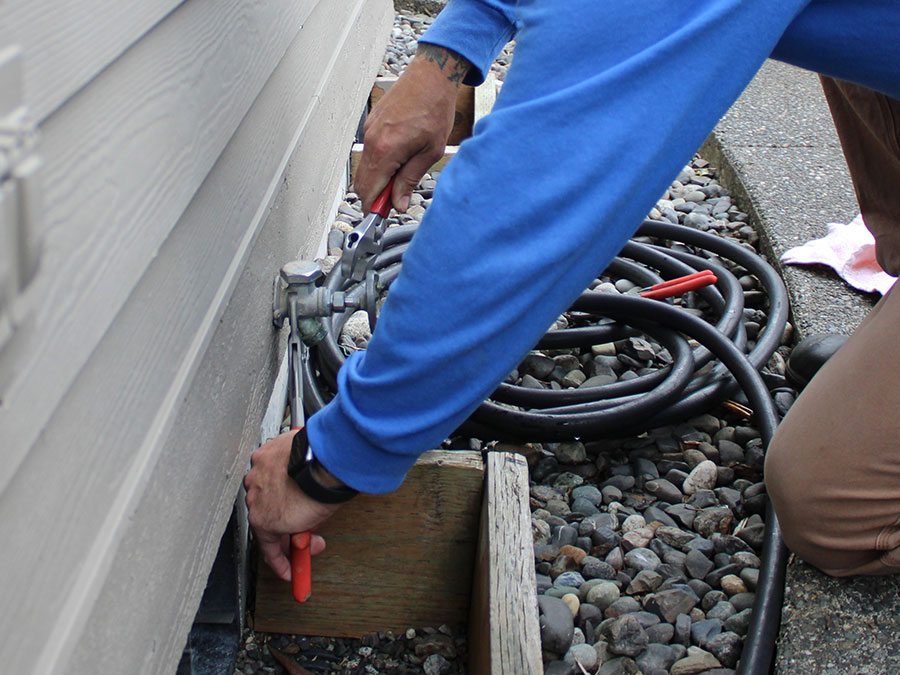
We start every visit with a thorough inspection so we understand exactly what’s going on with your plumbing. From there, we walk you through what we found and explain your options clearly, including more than one way to solve the problem when that applies.
Once you approve the work, we complete the repair efficiently and clean up after ourselves. Before leaving, we test the system to check that it’s operating properly and review the work performed with you. If you have any questions about the repair, our team is available to assist.
24/7 Emergency Plumbing Repair
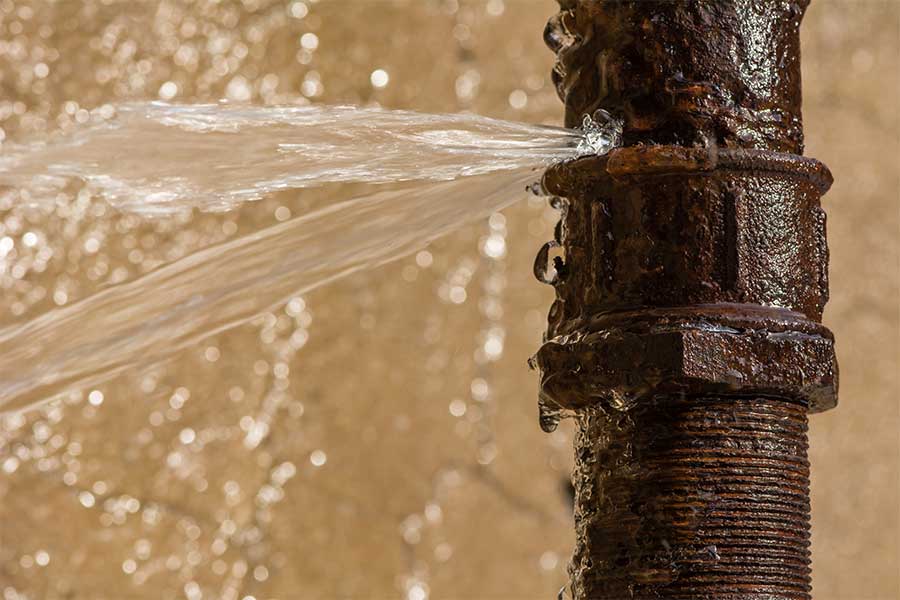
A plumbing problem doesn’t wait for business hours, and neither do we. If you’re dealing with a burst pipe or major leak in the middle of the night, our team is available to respond quickly. We understand that a plumbing emergency can cause real damage fast, so we treat these calls with the urgency they deserve.
Why Homeowners Trust LSM Heating, Plumbing, Electric
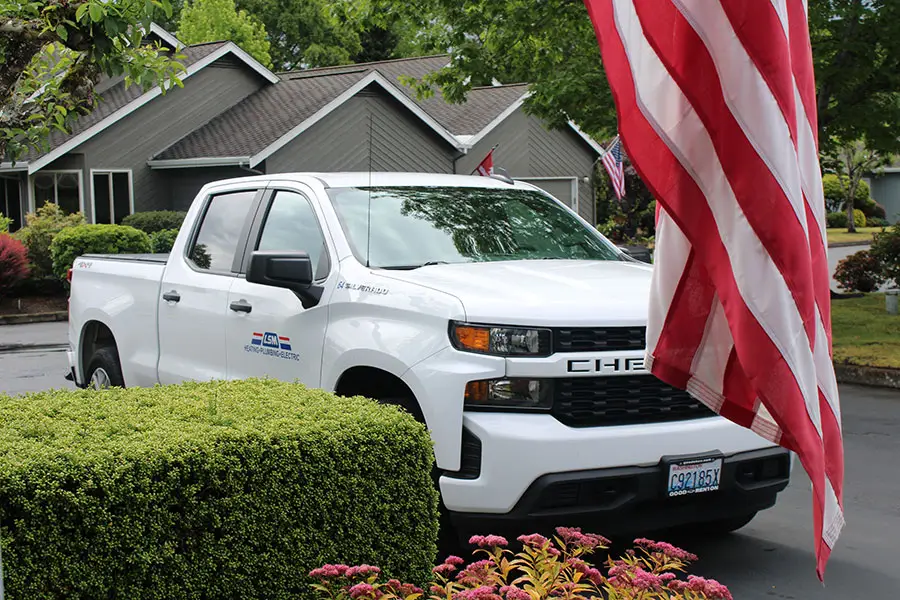
Lynden homeowners have trusted us for their heating, cooling, electrical, and plumbing needs for generations, and there’s a reason they call us back.
- Family-owned and operated
- Straight answers, no pressure
- Fair, honest pricing
- Doing the right thing since 1940
- Deep roots in the community
- Technicians who respect your home
We’re not interested in flashy promises. We’d rather show up, do the work well, and let that speak for itself.
Frequently Asked Questions
How do I know if I need a plumbing repair?
Signs include slow drains, low water pressure, leaking fixtures, and unusual noises in your pipes.
Why does my water pressure keep dropping?
This can be caused by mineral buildup, a hidden leak, or corroded pipes. A technician can pinpoint the cause quickly.
How long does a plumbing repair usually take?
Many repairs are completed in a single visit, though the timeline depends on the issue and parts needed.
Do you offer emergency plumbing repair?
Yes, we’re available for emergency repairs when a plumbing issue can’t wait.
Can our local climate affect my plumbing?
Yes. The damp climate in Lynden can contribute to corrosion in older pipes over time.
Areas We Serve
Services We Offer in Acme:
Services We Offer in Anacortes:
Services We Offer in Arlington:
Services We Offer in Bellingham:
Services We Offer in Birch Bay:
Services We Offer in Blaine:
Services We Offer in Bow:
Services We Offer in Burlington:
Services We Offer in Deming:
Services We Offer in Everson:
Services We Offer in Ferndale:
Services We Offer in La Conner:
Services We Offer in Lummi Island:
Services We Offer in Lynden:
- Plumbing
Services We Offer in Maple Falls:
Services We Offer in Marysville:
Services We Offer in Mount Vernon:
Services We Offer in Nooksack:
Services We Offer in Point Roberts:
Services We Offer in Sedro-Woolley:
Services We Offer in Skagit County:
Services We Offer in Stanwood:
Services We Offer in Sumas:
Services We Offer in Whatcom County:
Protect Your Home with Less Stress
Keep your heating, cooling, and other enrolled home systems maintained while enjoying added benefits throughout the year. HomeCare members receive priority scheduling, annual maintenance for enrolled equipment, and valuable savings when service is needed.
for enrolled systems
when you need service
a future system replacement
HomeCare Starts at
$15/month
- +$10/month for additional system
- $13/month for water heaters
Less Stress
Heating Maintenance for $79 with HomeCare
Join LSM HomeCare and get maintenance on your first qualifying piece of equipment for $79. Not ready for HomeCare? You can still receive $50 off maintenance on one qualifying piece of equipment.
Option 1 — Join HomeCare
$79 Flat Rate
FIRST QUALIFYING PIECE OF EQUIPMENT
- Enroll in LSM HomeCare during the promotional period
- Future annual maintenance included per HomeCare plan terms
Option 2 — No HomeCare
$50 Off
ONE QUALIFYING PIECE OF EQUIPMENT
- For customers who choose not to enroll in HomeCare
- Discount applies to one piece of equipment only
Call and schedule by September 30. Your appointment can happen later.