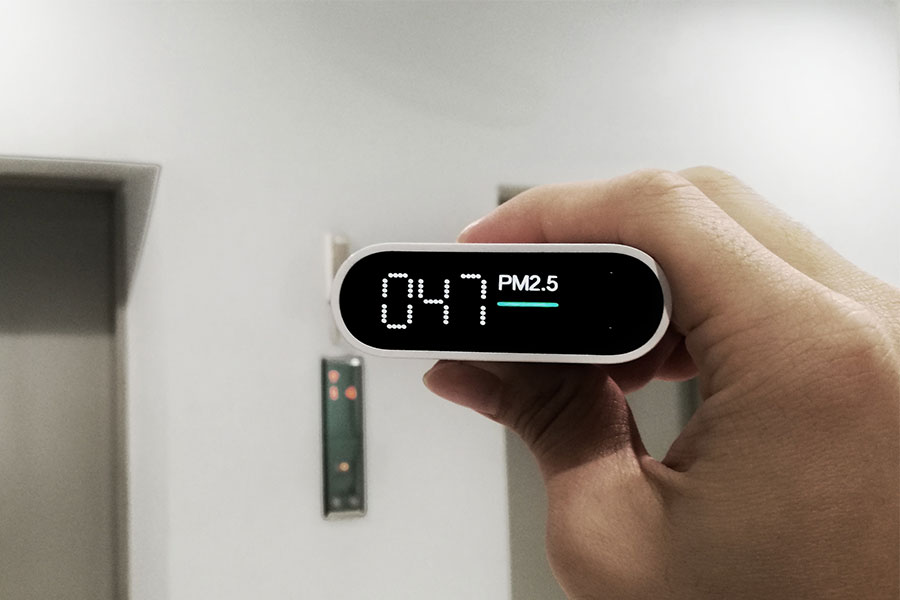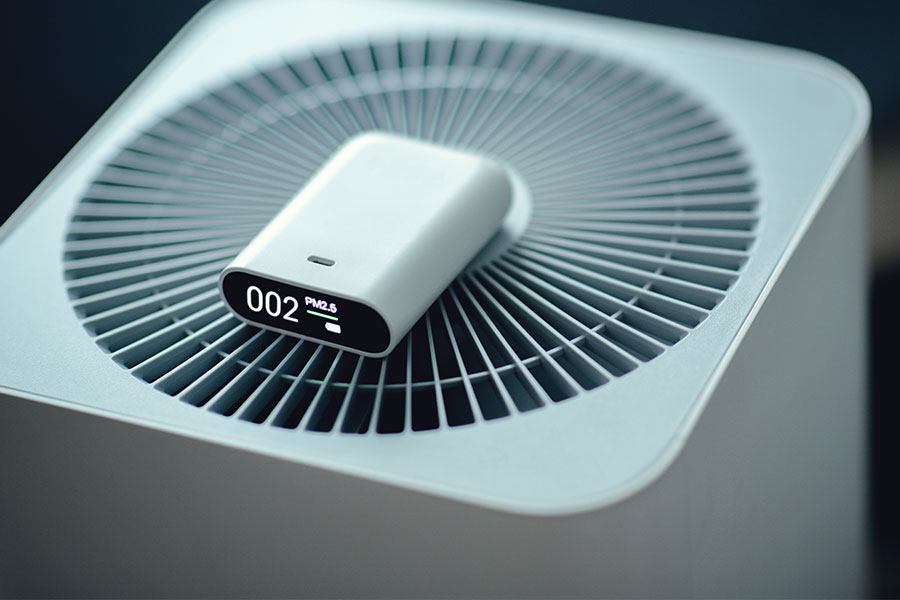
Improving indoor air quality throughout a Sumas, WA home means focusing on ventilation, air filters, and humidity management as a coordinated approach. Regular use of exhaust fans and opening windows when possible both help enhance airflow. Choosing high-quality air filters helps trap allergens and dust before they circulate throughout the home. Maintaining humidity levels between 30% and 50% keeps living spaces comfortable throughout the year. Natural cleaning solutions and staying mindful of indoor pollutants round out a thoughtful approach to healthier air. In our service calls throughout Sumas and the surrounding Whatcom County area, from homes near the border crossing to properties tucked along the Sumas River, we’ve seen how much of a difference these combined steps make for a home’s overall air quality. Let’s explore how to create a healthier living environment together, with guidance from LSM Heating, Plumbing, and Electric.
Understanding Home Ventilation
Ensuring a home is well-ventilated greatly improves the air breathed every day throughout the household. It’s about creating an environment that supports both health and comfort.
Using exhaust fans in kitchens and bathrooms, opening windows when weather permits, and considering mechanical ventilation systems when needed all contribute to better airflow. Effective professional HVAC maintenance also plays a crucial role in enhancing indoor air quality alongside these everyday habits.
At LSM Heating, Plumbing, and Electric, we recognize the importance of a well-ventilated home. Our team is here to help Sumas homeowners find the right solutions tailored to their specific needs, ensuring a comfortable, healthy space for years to come.
Health Impacts of Air Quality
Indoor air quality has a significant impact on health, since poor ventilation and pollutants can contribute to respiratory issues and allergies over time. Most people spend a considerable amount of time indoors, breathing in dust, mold, and other contaminants without realizing the cumulative effect.
This kind of exposure can aggravate asthma and trigger allergic reactions, making daily life more challenging for anyone sensitive to these particles. Long-term exposure to indoor pollutants can also contribute to more serious health concerns, including cardiovascular issues, over an extended period.
Being mindful of indoor air quality helps create a healthier home environment overall. Simple changes, like improving ventilation and investing in professional indoor air quality solutions, can make a meaningful difference in how a household feels day to day.
Energy Efficiency Benefits
Improving indoor air quality does more than support comfort. It can also boost a home’s overall energy efficiency. Reducing dust, allergens, and pollutants creates a healthier environment that allows heating and cooling systems to work more effectively.
When these systems don’t have to work as hard to maintain a comfortable temperature, energy costs go down as a result. Proper ventilation and air filtration help maintain steady airflow, ensuring a system operates at peak performance throughout the year.
Cleaner indoor air can also contribute to longer-lasting appliances over time. Enhancing air quality isn’t just good for health. It’s a smart financial decision that benefits both the home and the household budget.
Choose Quality Air Filters for Better Air Quality
Quality air filters can greatly enhance the air breathed at home, since they trap dust, allergens, and other pollutants before they circulate. Filters with a higher MERV rating capture more particles, improving indoor air quality while helping an HVAC system run more efficiently overall.
The type of filter matters too. Pleated filters generally provide better filtration compared to standard fiberglass options.
Having filters inspected and replaced on a regular schedule by a trained technician is essential, since a clogged filter can hinder airflow and reduce overall system efficiency. Investing in efficient professional service and repair for an HVAC system further optimizes both performance and air quality throughout the home.
Choosing filters designed to last longer and capture smaller particles makes a noticeable difference in a home’s air quality over time.
Manage Humidity for Comfort
Managing humidity is another essential factor in ensuring comfort indoors, working alongside improved air filtration. High humidity can make a space feel stuffy and uncomfortable, while low humidity can lead to dry skin and respiratory irritation. Keeping indoor humidity levels between 30% and 50% offers a good target for most homes.
A dehumidifier during damp months helps maintain this balance, while a humidifier can be beneficial during the colder, drier months of the year, something we see often given the persistent moisture that settles over Sumas and the Nooksack Valley each winter.
Regularly checking for leaks and ensuring proper ventilation in areas like bathrooms and kitchens also plays a significant role in humidity control throughout the home. Maintaining comfortable humidity levels enhances overall comfort while protecting a home from mold and mildew over time.
How to Incorporate Indoor Plants for Better Air
Adding a few air-purifying plants can be both an effective and beautiful way to enhance indoor air quality.
Best Air-Purifying Plants: A spider plant is known for its robust air-purifying abilities and thrives in indirect sunlight with minimal care. A peace lily looks lovely while removing common indoor pollutants like ammonia and benzene. A snake plant offers a hardy option that converts CO2 to oxygen at night, making it particularly well-suited for bedrooms.
Placement for Maximum Impact: Positioning plants near natural light, though not direct sunlight, helps them thrive. High-traffic areas, like the living room or kitchen, benefit most from their air-filtering presence. Grouping plants together can create a microenvironment that boosts humidity and enhances their air-purifying effect. Avoiding corners or spots behind furniture ensures plants remain effective, and rotating them periodically helps ensure even light exposure.
Schedule Regular HVAC Maintenance
Scheduling regular professional HVAC maintenance is essential for keeping indoor air quality at its best. A well-maintained system markedly reduces airborne contaminants while maintaining a comfortable living environment.
Enhanced Efficiency: Well-maintained HVAC systems use less energy, which can lower utility bills while reducing overall environmental impact.
Prolonged Lifespan: Regular professional check-ups help identify potential issues before they become costly repairs, extending the life of the equipment.
Healthier Air: Cleaning and servicing an HVAC system keeps dust, mold, and allergens at bay, making indoor air noticeably cleaner throughout the home.
Reduce Indoor Pollutants and Allergens
Indoor air quality can often be compromised by pollutants and allergens that linger throughout a home without being noticed right away.
Minimizing dust and pet dander through regular vacuuming with a HEPA filter and frequent bedding washes helps reduce this buildup. Doormats can help trap dirt before it enters living spaces in the first place.
Keeping a home well-ventilated matters too, and opening windows when weather permits helps circulate fresh air while reducing indoor contaminants. Choosing natural cleaning products free from harsh chemicals also supports better overall air quality.
Avoiding indoor smoking and being mindful of scented candles or air fresheners helps prevent unwanted irritants from affecting a home’s air quality.
Protecting Indoor Air Quality in Sumas, WA
Improving indoor air quality takes consistent attention, much like tending a garden that needs regular care to thrive. Following these steps helps cultivate a healthier home environment for every Sumas household. Our team brings decades of hands-on HVAC experience to every home we serve throughout the area. When you’re ready for a professional air quality assessment or HVAC tune-up, contact our team today to get started.