
Main Water Line Repair & Replacement in Lynden, WA
Heating, plumbing, and electrical service from the local team Whatcom County has trusted since 1940.
Heating or Plumbing Emergency? We answer around the clock.

Emergency Heating & Plumbing Support
For Generations
& Insured
Available
Warranties
Emergency Heating & Plumbing Support
For Generations
& Insured
Available
Warranties
Your main water line is the pipe that brings water from the street or source to your home. When it fails, you can lose pressure, water, and a good part of your yard. LSM Heating, Plumbing & Electric provides main water line repair and replacement in Lynden, WA, with straight answers about what your line needs. We have served this community since 1940, and we look for the fix that makes the most sense for your property.
Our Services
- Drain Cleaning
- Drain Repair
- Main Water Line Repair & Replacement
- Plumbing Inspection
- Plumbing Repair
- Radiant Floor Heat
- Sewer Line Repair and Replacement
- Shower Valve Replacement
- Sump Pump Installation and Replacement
- Sump Pump Repair
- Toilet Repair and Installation
- Water Heater Replacement and Installation
Request Service
* Required fields
What Your Neighbors Are Saying About Us
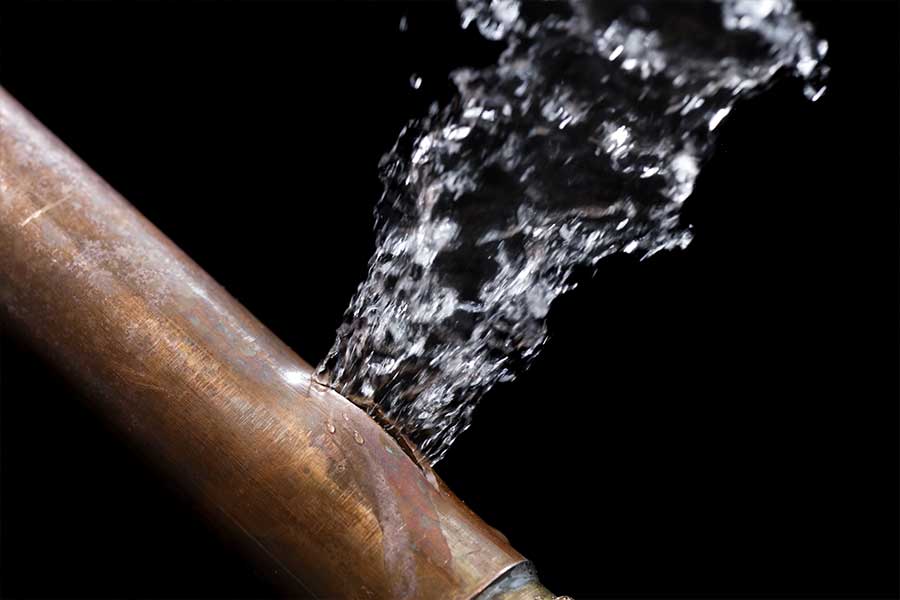
Warning Signs of a Failing Main Water Line
A failing main line often gives you clues before it breaks. Watch for these signs around your property.
- Low water pressure
- Discolored or muddy water
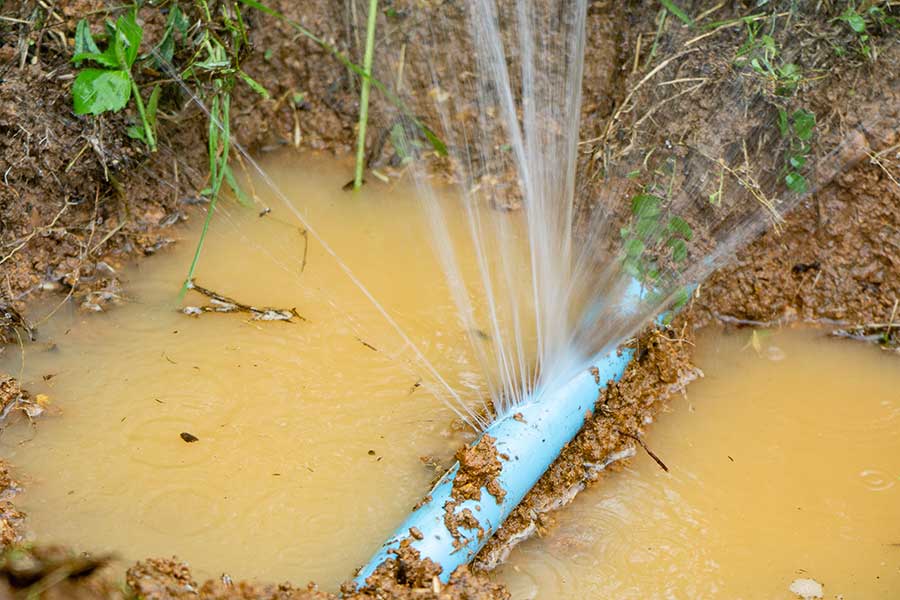
- Soggy patches in the yard
- Unexplained high water bills
- Sounds of running water
- Sunken or washed-out ground
Several of these signs can look like indoor problems, so the pattern matters. Low pressure at every fixture at once, rather than at a single faucet, points to the line that feeds the house. If water is surfacing quickly or you have lost water entirely, we offer emergency plumbing service for main line breaks.
What Causes Main Water Line Damage
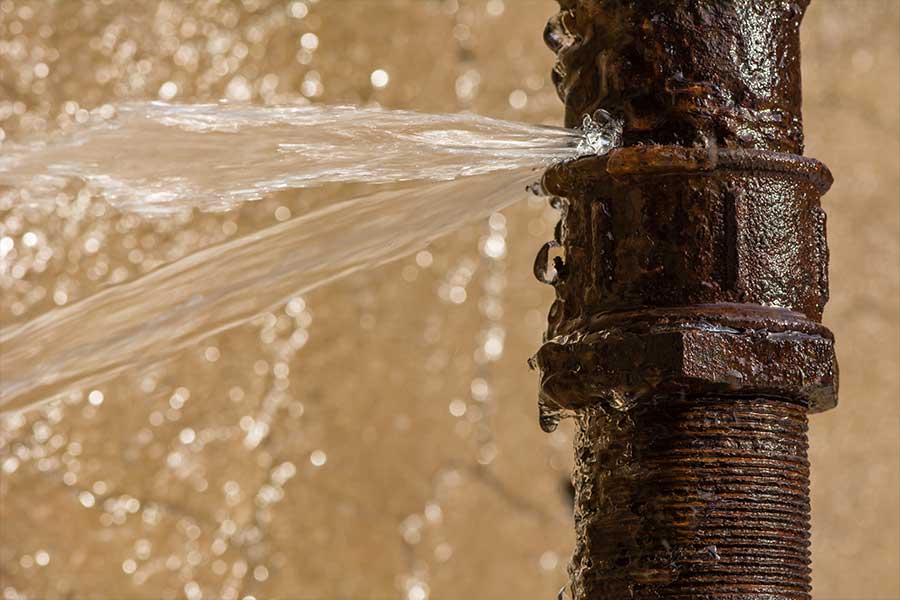
Age is the most common cause. Older lines made of galvanized steel and other outdated materials corrode from the inside, and over decades the pipe thins and cracks. Joints and fittings can also loosen over time.
The ground around the pipe plays a part, too. Tree roots can push into joints and crush pipe. Wet fall and winter weather leaves soil saturated, and shifting ground stresses buried lines. A line that is buried too shallow can freeze during a hard cold snap.
Weight above the pipe can also cause damage. Trucks, tractors, and heavy equipment driven over a buried line can crack it, which is a concern on farm properties. Poor installation and excessive water pressure can also shorten a line’s life.
Repair vs. Replacement for Your Water Line
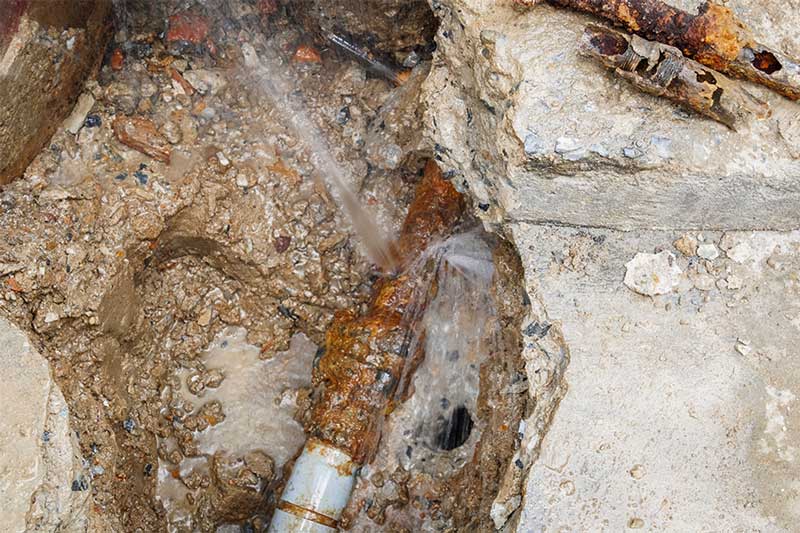
A repair is often the right call when the damage is limited to one spot, such as a single leak or a broken fitting, and the rest of the pipe is sound. We locate the problem, cut out the damaged section, and install new pipe and connections. It costs less up front and gets water flowing again.
Replacement makes more sense when the line is badly corroded, made of outdated material, or has leaked more than once. Repeated repairs add up, and a new line removes the guessing. We walk you through both options and the reasoning behind our recommendation so that you can make a choice with clear information.
Cost and timing matter too. A spot repair may hold up well when the rest of the pipe is in good shape, while a full replacement is a larger project that solves the problem for the long haul. We will not push replacement if a repair makes sense, and we will not patch a line that is failing along its whole length.
Our Main Water Line Repair & Replacement Process
We start by confirming the problem and finding where the line is leaking or damaged. We check your water pressure and the line’s path from the meter to the home. Then we explain what we found and lay out your options.
Once you approve the work, we plan the route and dig carefully to protect landscaping, driveways, and other utilities. We install the repair section or the new line, connect it to your home, and test for leaks and pressure. The trench is backfilled, and the area is cleaned up when the work is done.
Before any digging, we make sure underground utilities are marked. That protects gas, electric, and other buried lines and keeps the work focused on the right spot. On farm properties, we plan around driveways, fences, and barn access so you can keep working while we do.
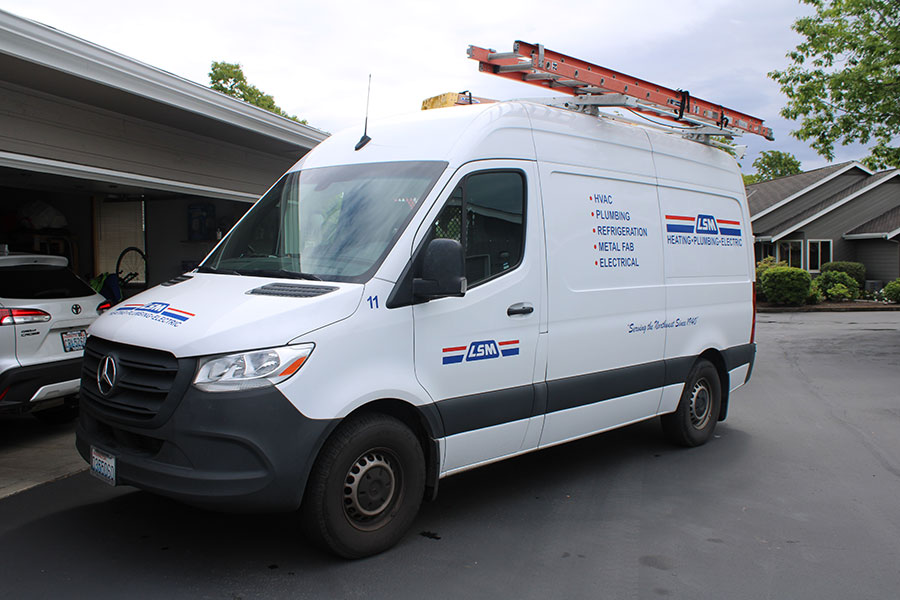
Why Choose LSM Heating, Plumbing & Electric
Here is what you can expect when you hire us.
- Family-owned and operated
- Straight answers, no pressure
- Fair, honest pricing
- Doing the right thing since 1940
- Deep roots in the community
- Technicians who respect your business
We handle each repair and replacement with a careful, honest approach.
Frequently Asked Questions
How do I tell if the leak is in my main line?
Turn off every fixture and check your water meter. If it is still moving, water is escaping somewhere past the meter. Wet ground between the meter and the house points toward the main line.
Who is responsible for the water line?
In most cases, the utility handles the line up to the meter, and you handle the pipe from the meter to your home. Confirm the exact boundary with your water provider.
Will you have to dig up my yard?
Many repairs and replacements involve digging a trench. We plan the route to limit damage to your landscaping and driveway.
Can a small leak wait?
A small leak does not fix itself. It wastes water and can wash out the soil around the pipe, so it is best to have it looked at soon.
What pipe is used for a replacement?
Copper, PEX, and HDPE are all used for water service lines. The right choice depends on code and your site conditions.