
Many of our neighbors across Whatcom and Skagit counties have been dealing with serious flooding, road closures, and damage, especially in communities along the Nooksack River.
If you or someone close to you has been impacted, all of us at Lynden Sheet Metal are truly sorry and would like to offer our support. This post is meant to be helpful and practical: a few safety reminders, links to local resources, and a straightforward guide to whole-home generator installations and storm prep in the Bellingham area.
If you need official updates or recovery resources: Whatcom County’s emergency management team is posting frequent updates and has a resource hub for flood-impacted residents.
Community note: Flood Relief Holiday Give Back (Dec 20)
A local Flood Relief Holiday Give Back event is being organized for community members affected by the flood:
- Date/Time: Saturday, December 20, 2025, 10 AM–3 PM
- Location: Sumas Christian Reformed Church (700 Sumas Ave, Sumas, WA 98295)
- What to bring: Toys, clothes, everyday essentials, and hygiene products
- Donations: A donation drop box will be located at our Lynden office (837 Evergreen St) during business hours leading up to the event.
Because event details can change, we recommend checking the most recent update before heading out.

After flooding: electrical safety comes first
When water gets into a crawlspace, garage, basement, or around your electrical panel, it can create hidden hazards. Before you start plugging things back in:
- Keep the power off if any part of your electrical system may have been wet. Electricity and water do not mix.
- Don’t try to flip breakers if you’d have to stand in water to do it. Step back and call a professional.
- Have a licensed electrician inspect water-affected outlets, panels, wiring, and connected equipment before restoring normal use.
If you’re unsure what’s safe in your home right now, Lynden Sheet Metal’s electrical team can help you assess damage and plan next steps.
Why backup generator installation matters in Northwest Washington
Big storm systems don’t always stop at flooding. Wind, saturated ground, and falling branches can also lead to power outages and difficult travel conditions.
A whole-home standby generator can help keep essentials running during outages, such as:
- Your heating system (or heat pump)
- Refrigerator/freezer
- Basic lighting and outlets
- Wi-Fi/charging
- Medical devices (if needed)
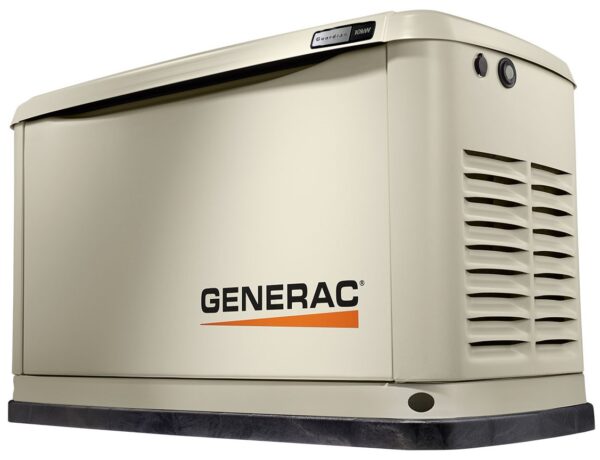
Lynden Sheet Metal installs Generac whole-home generators for homeowners in Whatcom, Skagit, and Snohomish counties.
Standby vs. portable generators
Whole-home (standby) generators
Standby systems are permanently installed and connected to your home’s electrical panel. Many are designed to start automatically during an outage and run on natural gas or propane.
Portable generators
Portable units can be useful, but they require more hands-on setup and extra safety precautions (especially with exhaust/CO).
Generator maintenance checklist
Always follow your generator’s manual, but these are smart, general best practices.
Monthly homeowner check (10 minutes)
- Confirm your generator’s weekly exercise cycle is occurring (if equipped).
- Look for visible issues: leaks, corrosion, damage, loose debris.
- Keep the unit clear; trim vegetation and remove leaves/branches.
- Check the display/app for alerts or error codes (if you have monitoring).
Annual professional maintenance
Most standby generators benefit from a yearly tune-up before storm season. A pro visit may include:
- Inspecting electrical connections and transfer equipment
- Checking the battery and charging system
- Verifying safe airflow/clearances around the unit
- Testing operation under load
- Replacing oil/filters per manufacturer recommendations
If you want help getting on a simple annual schedule, Lynden Sheet Metal can refer you to local professionals for generator maintenance.
Storm & outage prep steps
When another storm is in the forecast:
- Do a test run (per manufacturer instructions)
If your generator hesitates, stalls, or shows error codes, schedule service before conditions worsen. - Clear the area around the generator
Standing water, mud, and debris can build up fast in heavy rain. Keep vents and access panels unobstructed. - Protect sensitive electronics
Consider whole-home surge protection at the panel (and/or good point-of-use surge protectors). - Plan your “critical circuits”
If you’re not powering the entire home, decide what matters most: heat, fridge, a few lights, internet, etc.
Generator safety reminders (especially important during emergencies)
Power outages are stressful, and it’s easy to make dangerous choices in the middle of a storm. These reminders help prevent accidents.
- Never run a generator inside a home or garage, even with doors open.
- Use generators outdoors, more than 20 feet from doors/windows/vents, and use battery-powered/battery-backup CO detectors in the home.
- Never drive through flooded roads. It’s hard to judge depth, and roadbeds can be washed out.
- Avoid unsafe electrical “backfeeding” setups. If you want generator power to feed home circuits safely, ask about proper hook-ups/transfer solutions.
How Lynden Sheet Metal can help
Our locally owned company has served Whatcom, Skagit, and Snohomish counties since 1940.
If you need support after flooding or you’re planning ahead for the next storm, our team can help with:
- Electrical safety inspections (especially after water intrusion)
- Generator installation and hook-ups
- Whole-home surge protection
- Troubleshooting electrical issues and panel upgrades
Request service or call:
- Lynden: (360) 353-4167
- Bellingham: (360) 922-6190
- Marysville: (360) 543-6355
Local resources for flood updates & recovery
If you or a loved one needs official guidance and support, these are good starting points:
- Whatcom Ready (flood updates + recovery resources)
- Whatcom County flood updates
- City of Bellingham updates (road closures, reporting issues)
FAQ
Can I use a generator if my garage or crawlspace flooded?
Use extra caution. If your electrical system (panel/outlets/wiring) may have been wet, prioritize an inspection before powering equipment back up.
How often should a standby generator be serviced?
It depends on the model and hours of use, but many homeowners plan on annual professional maintenance, plus monthly visual checks. We can refer you to a local service center for routine generator tune-ups.
What’s the #1 generator safety rule?
Keep generators outside and away from openings. Carbon monoxide can be deadly and can build up quickly indoors.