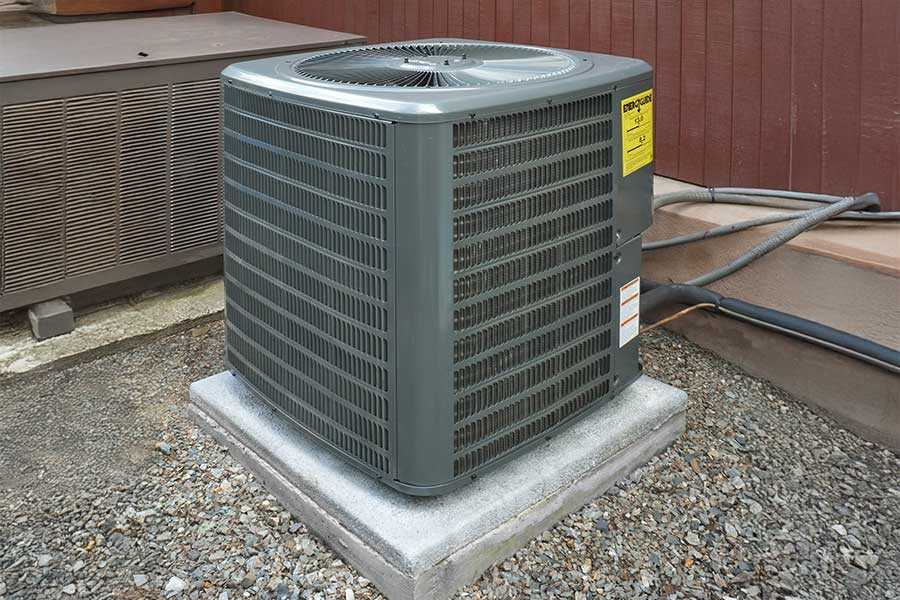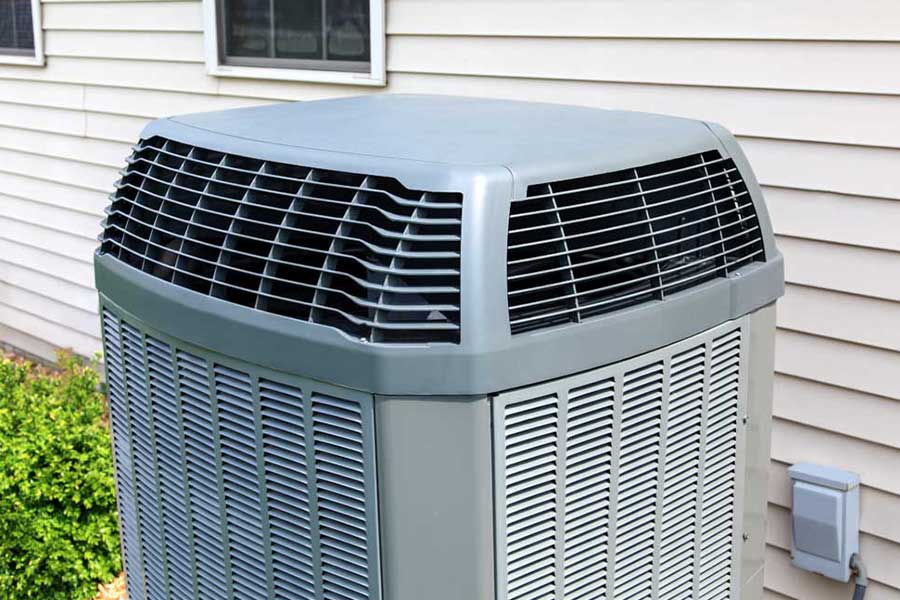
Cold winter temperatures make heat pumps in Ferndale, WA work harder because the outdoor air holds less heat to move indoors. As temperatures drop, a heat pump runs longer, defrosts its outdoor coil more often, and may rely on backup heat. Steady operation and light frost are normal, while thick ice or weak airflow are not.
Most Ferndale winters are damp and hover near freezing rather than staying bitterly cold, and that pattern shapes how a heat pump behaves from December through February. This guide explains what cold does to a heat pump, why local conditions matter, how backup heat fits in, and when it makes sense to call for heating and cooling repair in Ferndale.
Key Takeaways
- A heat pump produces less heat as outdoor temperatures fall, so longer run times in cold weather are normal.
- Ferndale’s damp, near-freezing winters and higher average wind speeds make frost and defrost cycles a regular part of heat pump operation.
- Auxiliary heat is a backup that should run briefly during defrost or cold stretches, not all day.
- Thick ice that stays on the outdoor unit, weak airflow, or grinding noises are signs a heat pump needs service.
- Keeping the outdoor unit clear and the thermostat setting steady helps a heat pump handle winter with less strain.
How Does a Heat Pump Heat a Home When It’s Cold Outside?
A heat pump heats a home by pulling heat out of the outdoor air and moving it inside, even when that air feels cold. A heat pump is an electric system that uses refrigerant to carry heat from one place to another instead of burning fuel to create it.
Outdoor air still contains usable heat well below freezing, but there is less of it as the temperature falls. That means the system has to run longer to deliver the same amount of warmth. The Department of Energy notes that a heat pump can deliver up to three times more heat energy to a home than the electricity it uses, which is why longer run times in January rarely mean a problem on their own.
Air coming from the vents also feels different from a furnace. Heat pump air is warm but often cooler to the touch than the hot blast of a gas furnace, so a home may feel comfortable even when the vents seem lukewarm.
Equipment design also matters. Cold-climate heat pumps are built to keep heating efficiently in colder regions, and the Department of Energy advises homeowners in colder climates to look for the highest HSPF that is practical. HSPF, or Heating Seasonal Performance Factor, is a rating of how efficiently a heat pump heats over a full season.
Why Ferndale Winters Are Hard on Outdoor Units
Ferndale winters are hard on outdoor units because damp air, temperatures near freezing, and wind all speed up frost buildup on the coil. A coil is the network of metal tubing and fins in the outdoor unit that absorbs heat from the air.
Ferndale shares the cloud cover, rainfall, and lowland temperatures of Bellingham and Lynden, but it averages slightly less snow than Lynden and slightly higher wind speeds for much of the year. That mix means more wet frost than deep snow, and frost is what forces a heat pump into defrost mode.
Wind plays a bigger role than most homeowners expect. The Department of Energy recommends protecting outdoor units from high winds because wind can cause defrosting problems. Based on what we see in Ferndale properties, units sitting in open, exposed spots tend to frost faster than units tucked near the house or behind a fence, whether the home is in the suburban neighborhoods northwest of downtown or closer to the Nooksack River.
What Defrost Mode Looks Like in Cold Weather
Defrost mode is a short, automatic cycle that melts frost off the outdoor coil so the heat pump can keep heating. During defrost, the system briefly reverses, the outdoor fan stops, and the unit may release a cloud of steam.
A defrost cycle is normal several times a day in damp cold weather. Homeowners who want a closer look at what each stage sounds and looks like can read our heat pump defrost guide for Whatcom and Skagit homes.
What Is Auxiliary Heat and When Should It Run?
Auxiliary heat is a backup heat source that helps a heat pump when it cannot keep up on its own. In most homes, auxiliary heat is either electric heating elements inside the indoor unit or a furnace paired with the heat pump in a dual-fuel setup.
Auxiliary heat usually turns on in a few situations:
- During defrost: Backup heat keeps cool air from blowing into the house while the outdoor coil melts off.
- During a cold stretch: When outdoor temperatures drop enough that the heat pump falls behind, backup heat fills the gap.
- After a large thermostat change: Raising the setting several degrees at once can call for backup heat to close the difference quickly.
Auxiliary heat is less efficient than the heat pump itself, so it should run in short bursts. If the thermostat shows auxiliary or backup heat running for hours on a mild day, the heat pump may not be doing its share of the work.
Emergency heat is a separate thermostat setting that shuts the heat pump off and runs only the backup source. Emergency heat is meant for a heat pump that has stopped working, not for everyday cold weather.
Normal Cold-Weather Behavior vs. Signs That Need Service
Most changes a homeowner notices in winter are the system doing its job, but a few signs point to a real problem. Heat pumps tend to show trouble gradually, so noticing a change early usually means a simpler fix.
This comparison shows how common winter observations usually break down:
| What You Notice | Usually Normal When | Worth a Service Call When |
| Frost on the outdoor coil | A thin layer clears after a defrost cycle | Thick ice stays on the coil or covers the whole unit |
| Steam from the outdoor unit | It appears briefly during defrost | It appears with grinding, rattling, or burning smells |
| Long run times | Outdoor temperatures are near or below freezing | The system runs nonstop on mild days and rooms still feel cold |
| Auxiliary heat indicator | It shows up during defrost or a cold stretch | It stays on for hours at a time |
| Airflow from vents | Air is warm but feels milder than a furnace | Airflow is weak or air feels cool for long periods |
| Energy bills | Bills rise modestly during the coldest months | Bills jump with no change in weather or use |
Our technicians start any heat pump repair with a full inspection rather than guessing at the cause. We keep commonly needed parts on hand, which helps us finish most repairs in a single visit, and heating emergencies are answered around the clock.
Simple Ways to Help Your Heat Pump Through a Ferndale Winter
A few simple habits help a heat pump handle cold weather with less strain. None of these steps involve opening the unit or doing technical work.
These homeowner habits make the biggest difference in winter:
- Keep the outdoor unit clear: Rake away leaves, branches, and snow so air can move freely through the coil and meltwater can drain.
- Hold the thermostat steady: Small, gradual changes keep the heat pump doing the work instead of calling on backup heat.
- Change the filter on schedule: A clean filter keeps indoor airflow strong, which helps the whole system run efficiently.
- Leave the unit uncovered: Tarps and covers trap moisture and block airflow, so a heat pump should stay open to the air all winter.
Working in homes across Ferndale, we find that systems with clear surroundings and steady settings handle the damp season far better than those fighting debris and big temperature swings.
Frequently Asked Questions About Heat Pumps in Cold Weather in Ferndale
Should I switch to emergency heat when it gets cold in Ferndale?
No, emergency heat should only be used when the heat pump has stopped working. A typical Ferndale cold snap is well within what a working heat pump and its automatic backup heat are designed to handle, and running emergency heat by choice usually costs more to operate.
Is it safe to chip ice off my heat pump?
No, chipping ice or pouring hot water on the outdoor unit can bend the fins or damage the coil. If ice stays on a Ferndale heat pump after several defrost cycles, turn the system to its backup setting and have a technician find the cause.
Why does my heat pump run more in Ferndale’s damp weather than on dry cold days?
Damp air leaves more moisture on the outdoor coil, which forms frost faster and triggers more defrost cycles. Ferndale’s wet, near-freezing days often lead to more defrosting than a colder but drier day would.
Does a heat pump need maintenance before winter?
Yes, a yearly checkup before the damp season helps catch worn parts and confirms the defrost controls and backup heat work correctly. The LSM HomeCare plan includes a yearly inspection, tune-up, and safety review for each enrolled heat pump, along with priority scheduling during busy Ferndale cold snaps.
Keeping Your Ferndale Heat Pump Running Through Winter
Heat pumps in cold weather run longer, defrost more often, and lean on backup heat at times, and in Ferndale’s damp winters that is normal behavior. Thick ice, constant backup heat, and weak airflow are the signs worth a closer look. LSM Heating, Plumbing, & Electric is a family-owned team that has been helping local homeowners stay comfortable since 1940, and we stand behind the heat pump work we do. If your system is acting differently this winter, schedule a heat pump checkup with our team.