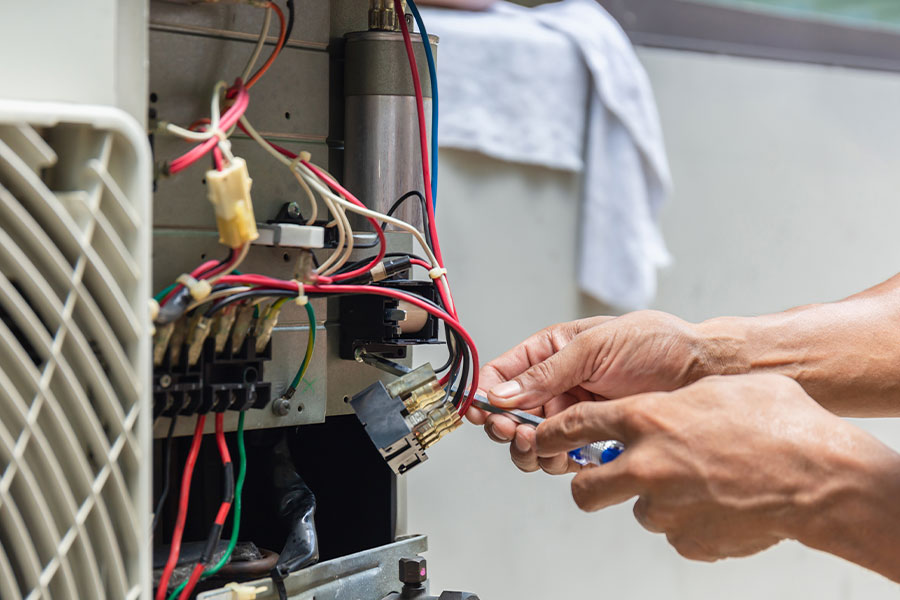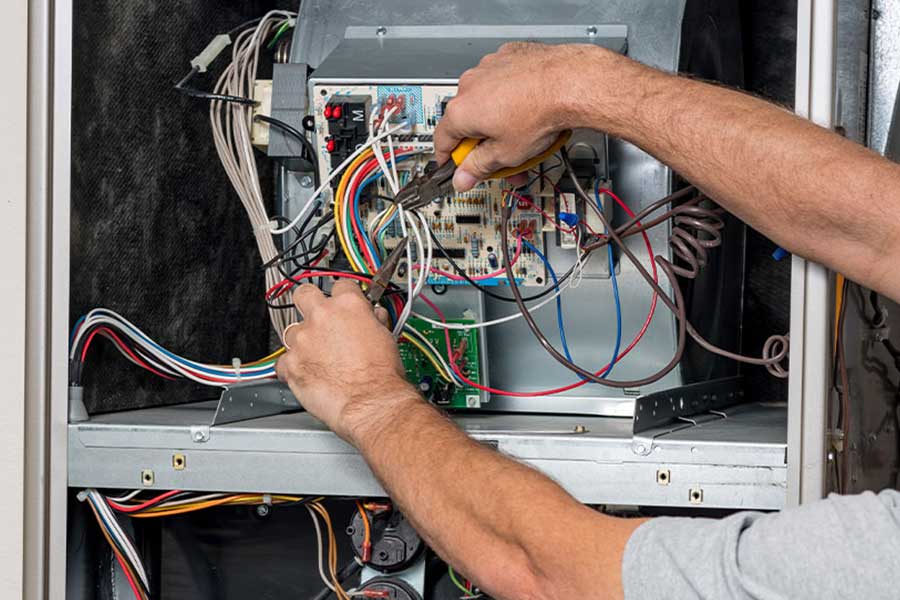
Preparing a furnace for inspection in Sumas, WA, starts with clearing the area around the unit and checking the air filters, replacing them if they’ve become dirty. Noting any unusual noises or smells noticed recently helps a technician diagnose issues more quickly during the visit. Confirming the thermostat is functioning properly and reviewing any past maintenance records also helps make the inspection more thorough. Staying proactive with these small steps helps ensure a comprehensive inspection from start to finish. In our service calls throughout Sumas and the surrounding Whatcom County area, from homes near the border crossing to properties along the Sumas River, we’ve seen how much smoother an inspection goes when a homeowner has taken a few of these steps beforehand. If keeping going sounds useful, there’s more to discover about furnace care and maintenance, with guidance from LSM Heating, Plumbing, and Electric.
Why a Furnace Inspection Matters
A well-functioning furnace is essential for home comfort, especially during the colder months here in Sumas, WA. A furnace inspection isn’t just a routine check. It’s a critical step in ensuring a home stays warm and safe throughout the winter season.
Having a furnace inspected allows potential issues to be identified before they escalate into costly repairs. Regular inspections help improve efficiency, which can lower energy bills while extending the overall lifespan of the system.
These inspections can also enhance indoor air quality, contributing to a healthier living environment for the whole household. Catching problems early doesn’t just save money. It also helps avoid the stress of an unexpected breakdown during the coldest nights of the year. A well-functioning HVAC system overall ensures smooth operation throughout a home, maximizing both comfort and efficiency.
Steps to Prepare for Your Furnace Inspection
Preparing for a furnace inspection involves a few key steps that help everything go smoothly.
Clearing the area around the furnace ensures the technician can access the unit without any obstructions once they arrive. Checking the air filters is another helpful step, and replacing them if they’re dirty helps the furnace operate more efficiently during the inspection itself.
Noting any unusual noises or smells recently noticed gives the technician valuable information that can speed up the diagnostic process. If the furnace uses a programmable thermostat, confirming it’s functioning correctly is worth doing ahead of time, since this can affect overall performance.
Reviewing any maintenance records or warranties on hand and having them ready provides the technician with useful context for the visit. Keeping up with efficient professional service and repair between inspections helps ensure optimal system performance throughout the year.
Common Furnace Inspection Issues to Check
Furnace inspections often reveal a few common issues that can affect performance and efficiency. Dirty air filters are among the most frequent problems encountered, since they can restrict airflow and reduce heating effectiveness. Checking and replacing filters regularly helps maintain peak function throughout the heating season.
Thermostat malfunctions are another common finding. A faulty thermostat can lead to inconsistent temperatures and wasted energy, making it worth having calibration confirmed during every inspection.
Signs of wear and tear on components like belts and bearings are also worth checking closely, since worn parts can lead to further complications if left unaddressed. Checking for gas leaks rounds out a thorough inspection, remaining essential for both safety and efficiency. Addressing these common issues ahead of time helps ensure a furnace operates smoothly throughout the entire heating season.
What to Expect During Your Furnace Inspection
Understanding what to expect during a furnace inspection helps homeowners feel prepared for the visit. A technician typically begins by explaining the process and answering any initial questions before getting started.
The furnace’s overall condition is checked first, with filters, ducts, and vents inspected for blockages or damage. The ignition system and electrical connections are assessed next, ensuring everything is functioning properly and safely.
The heat exchanger is examined closely for any signs of wear or leaks, since this component plays an essential role in both safety and efficiency. A detailed report on the furnace’s condition follows, along with any recommendations for repairs or maintenance, helping homeowners make informed decisions about their heating system. A technician may also offer insights on how complementary systems, like radiant in-floor heating, could enhance overall comfort and efficiency throughout the home.
Post-Inspection Furnace Maintenance Tips
Staying proactive about maintenance after a furnace inspection helps ensure peak performance throughout the rest of the heating season.
Replacing the air filter regularly, roughly every one to three months, keeps airflow smooth and efficient. Keeping the area around the furnace clean, free of dust or debris, also supports proper airflow.
Checking thermostat settings periodically helps maintain ideal temperatures throughout the home, and inspecting ducts for leaks, sealing them if needed, helps prevent unnecessary energy loss. Scheduling routine professional maintenance between inspections helps catch any developing issues early.
Staying Ready for the Winter Ahead
Preparing a furnace for inspection isn’t just about checking off a list. It’s about ensuring safety, boosting efficiency, and extending the system’s overall lifespan throughout the Sumas winter. Our team brings decades of hands-on HVAC experience to every furnace inspection we complete throughout the area. When you’re ready to schedule your furnace inspection, contact our team today and let us help keep your home warm and comfortable all season long.